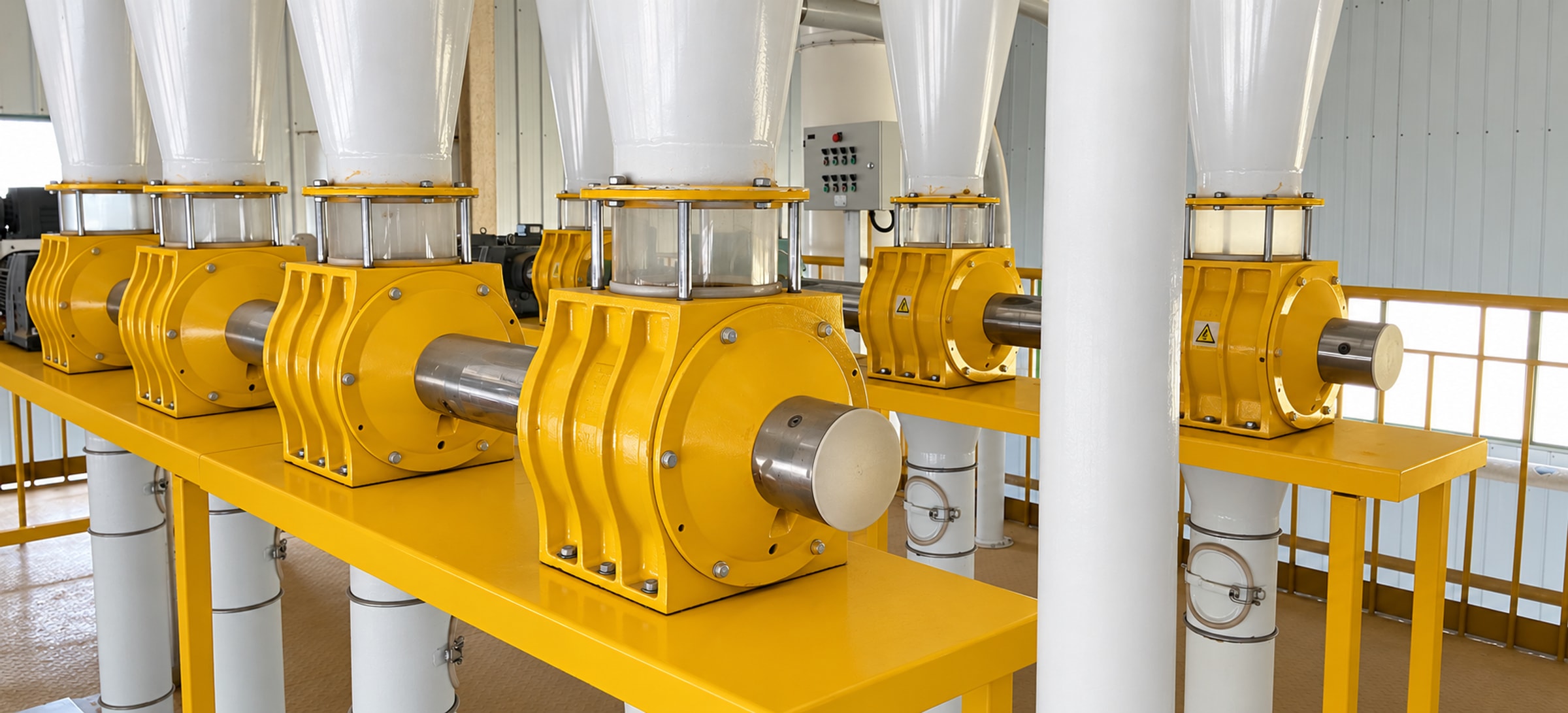
Upgrade a running flour mill, one section at a time
New packing lines and pneumatic conveying for mills that are already milling. We fit the new section to your building, your existing machines and your shutdown window.
Packing lines Pneumatic conveyingSigns a section is holding your mill back
Most upgrades start with one of these. Find yours, and you'll see which part of the mill to look at.
| What you see | What is usually behind it | Upgrade |
|---|---|---|
| Bags filled by hand, packers can't keep up | Manual or semi-automatic bagging is the slowest step after the mill | Automatic packing line |
| Bags weigh more than the label says | Scale accuracy and feeding. Every gram over is flour given away | Weighing & bagging |
| Supermarkets ask for 1–5 kg packs, metal detection or date codes | The packing section was built for 50 kg bags only | Small-bag packers, detector, coder |
| Capacity went up, now pipes choke and stock backs up | The pneumatic network was sized for the old capacity | Re-sized pneumatic lift |
| Flour dust on every floor, filters always blocked | Leaking airlocks, worn bends, undersized or blinded filters | Aspiration & pulse filters |
| Bran and flour moved by hand or by long screw lines | No positive-pressure conveying to bins or loading-out | Positive-pressure conveying |
A packing line that fits behind your flour bins
We add a complete packing section or replace one machine in it. Every line below can be built in steps, starting with the scale and adding the detector or coder later.
Which packer for which bag
LCS / LCSD automatic weighing and packing machines for flour, bran and other powders in woven or paper bags.
| Model | Stations | Bag weight | Speed (bags/h) | Power | Compressed air | L × W × H (mm) |
|---|---|---|---|---|---|---|
| LCS5 | Single | 1–5 kg | 300–350 | 2.2 kW | 0.4–0.6 MPa | 2100 × 1300 × 2700 |
| LCS10 | Single | 10 kg | 260 | 2.2 kW | 0.4–0.6 MPa | 2100 × 1300 × 2700 |
| LCS25 | Single | 25–50 kg | 150–180 | 2.2 kW | 0.4–0.6 MPa | 2100 × 1300 × 2700 |
| LCSD5 | Double | 1–5 kg | 500–600 | 2.2 × 2 kW | 0.4–0.6 MPa | 4200 × 1500 × 3200 |
| LCSD10 | Double | 10 kg | 500 | 2.2 × 2 kW | 0.4–0.6 MPa | 4200 × 1500 × 3200 |
| LCSD25 | Double | 25–50 kg | 350–480 | 2.2 × 2 kW | 0.4–0.6 MPa | 4200 × 1500 × 3200 |
Select the model by material, throughput and installation requirements.
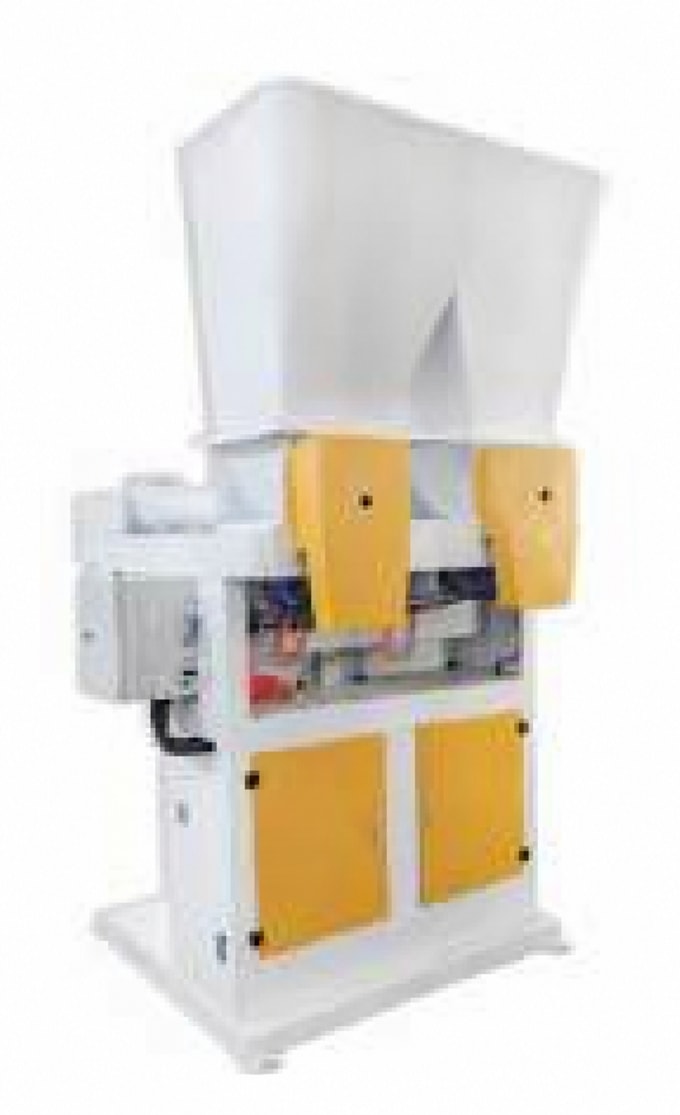
Single station
One spout. For one bag size and moderate output.
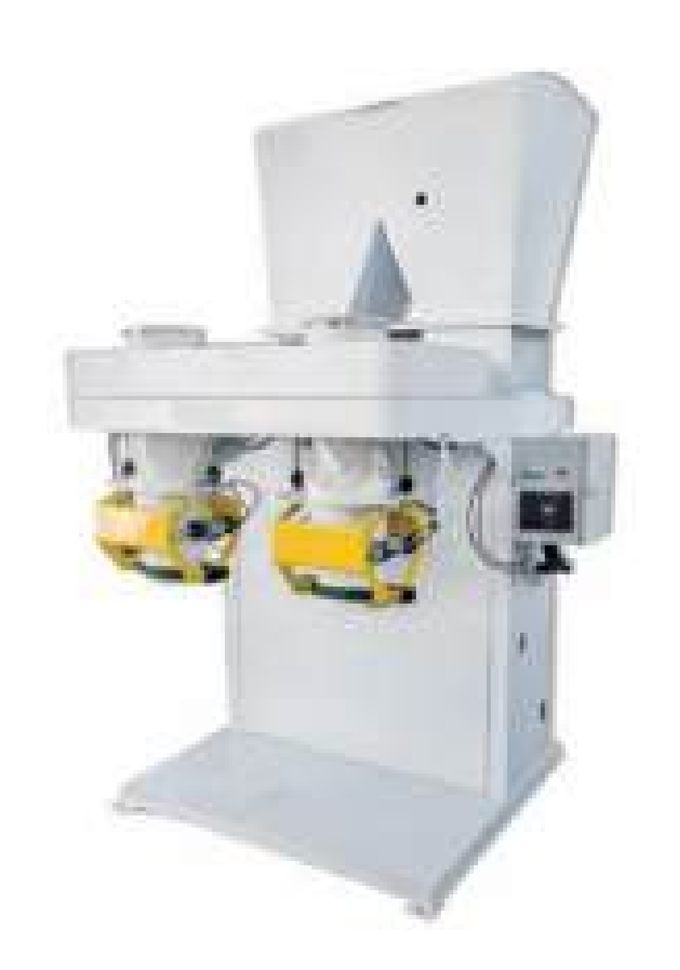
Double station
Two spouts fill alternately, so one weighs while the other is bagged.
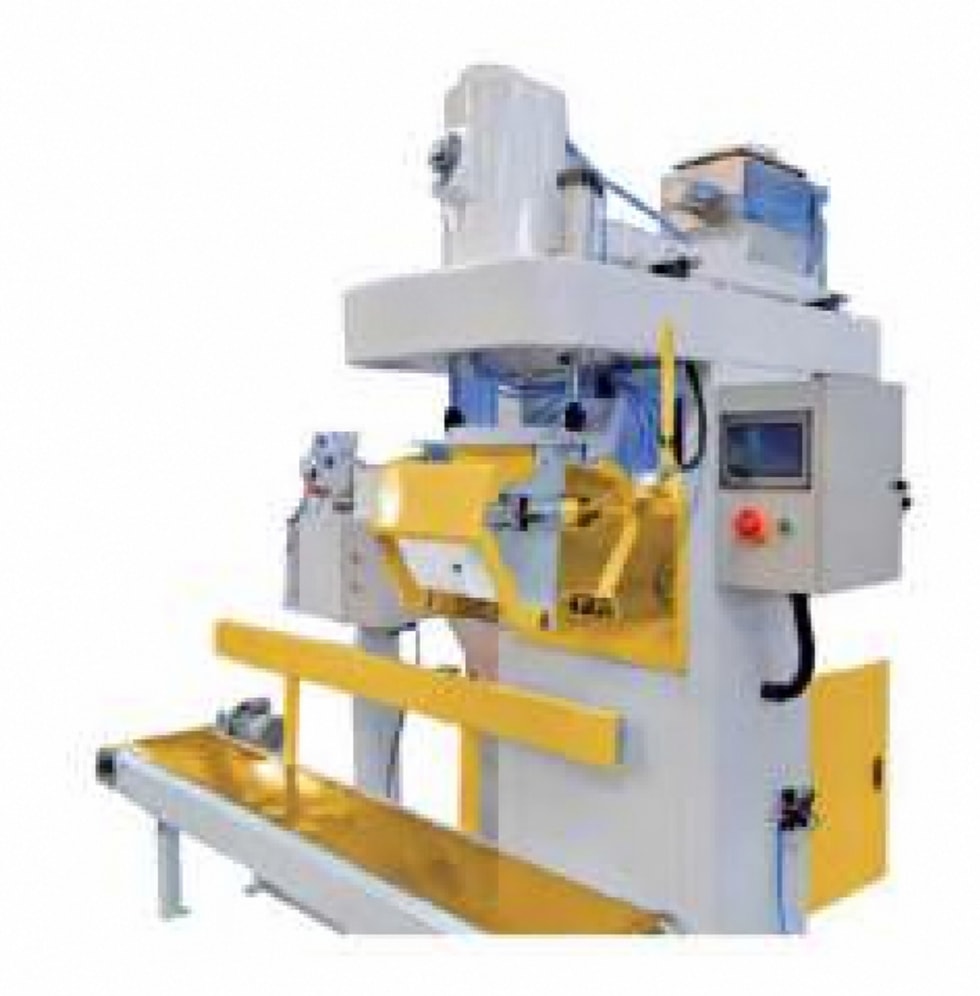
With sewing & conveyor
Bag closing and take-away in one frame.
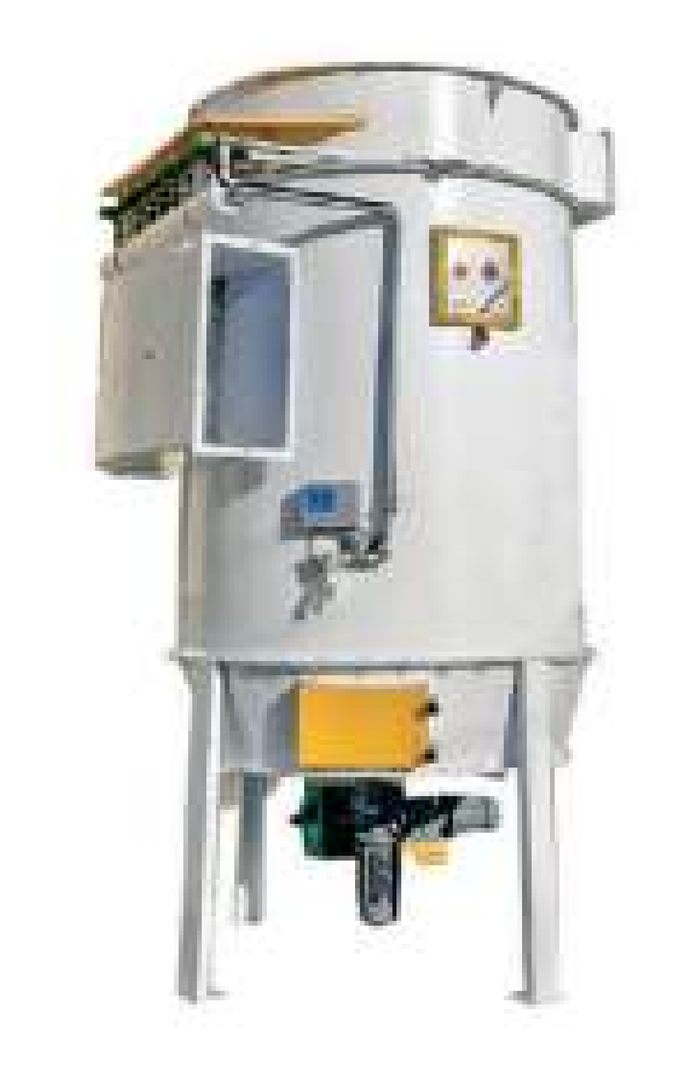
Dust filter at the packer
Keeps the bagging floor clean when bags are filled.
How much flour do you give away in overweight bags?
Packers overfill bags so none come out light. Enter your own figures. The result is flour you have already paid to buy and mill.
Weigh 20 bags from your line to find your real overfill. For comparison, a scale accurate to ±0.2% stays within ±100 g on a 50 kg bag and ±20 g on a 10 kg bag.
Ask for a packing proposalThree air systems in a flour mill, and what goes wrong in each
Upgrading the air side is often what lets an older mill run at a higher capacity. We look at the whole network before replacing any part of it.
Moving stock between passages
A high-pressure fan pulls ground stock up through the lift pipes. Cyclones drop it out of the air and airlocks feed it to the next machine.
- Pipes choke after a capacity increase
- Airlocks leak air, so stock stops lifting
- Bends wear through and leak
Bran, flour and screenings to bins
A blower and rotary feeder push product along one pipe to storage bins or loading-out, instead of long screw or chain lines.
- Product moved by hand or by many conveyors
- New bins or a loading bay too far from the mill
- Pipe routes blocked by the existing building
Keeping the mill free of dust
Fans draw dust from cleaning machines, sifters and packers into pulse jet filters, which clean their bags with bursts of compressed air.
- Dust on floors and around machines
- Filter bags blinded and never cleaned
- Fan and filter too small for added machines
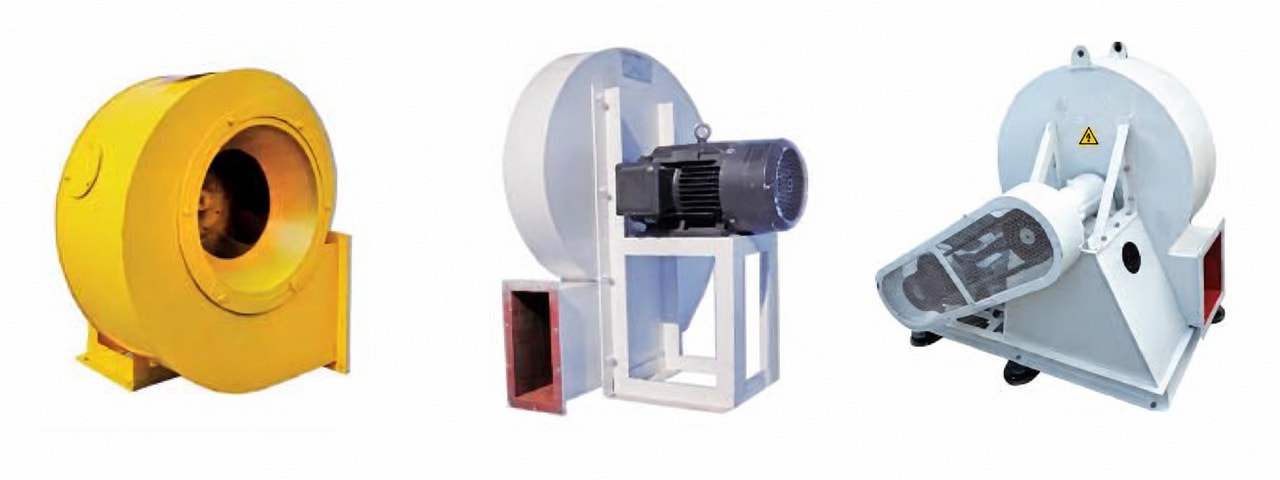
Fans
Low pressure 4-72: 1,000–19,400 m³/h, 1.1–18.5 kW. High pressure 6-30: 1,860–14,145 m³/h, 2.2–45 kW.
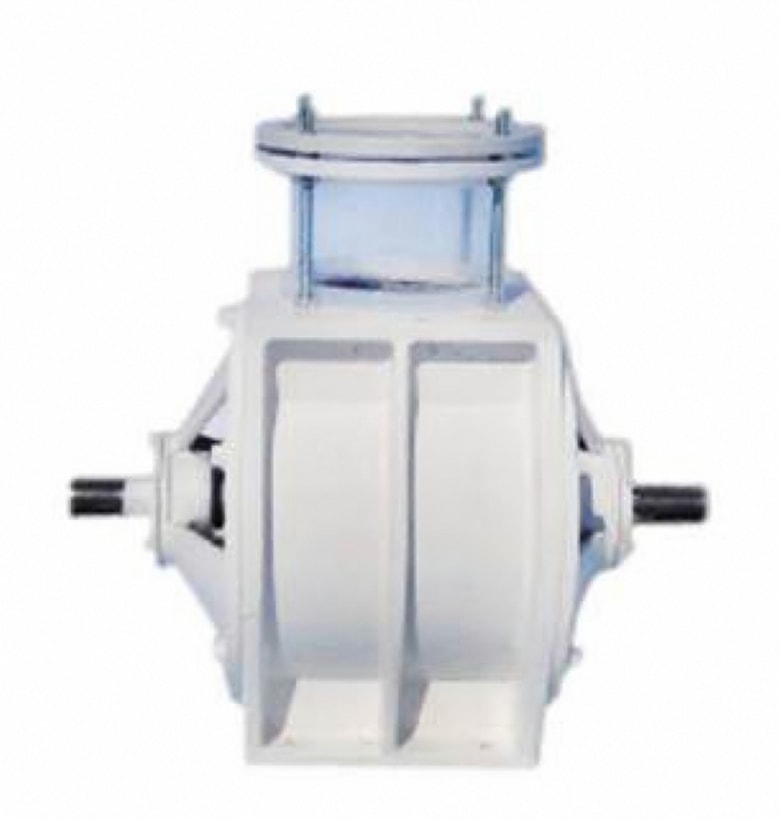
Rotary airlocks
TGFY, 2 to 9 litres per turn, 0.75–1.5 kW.
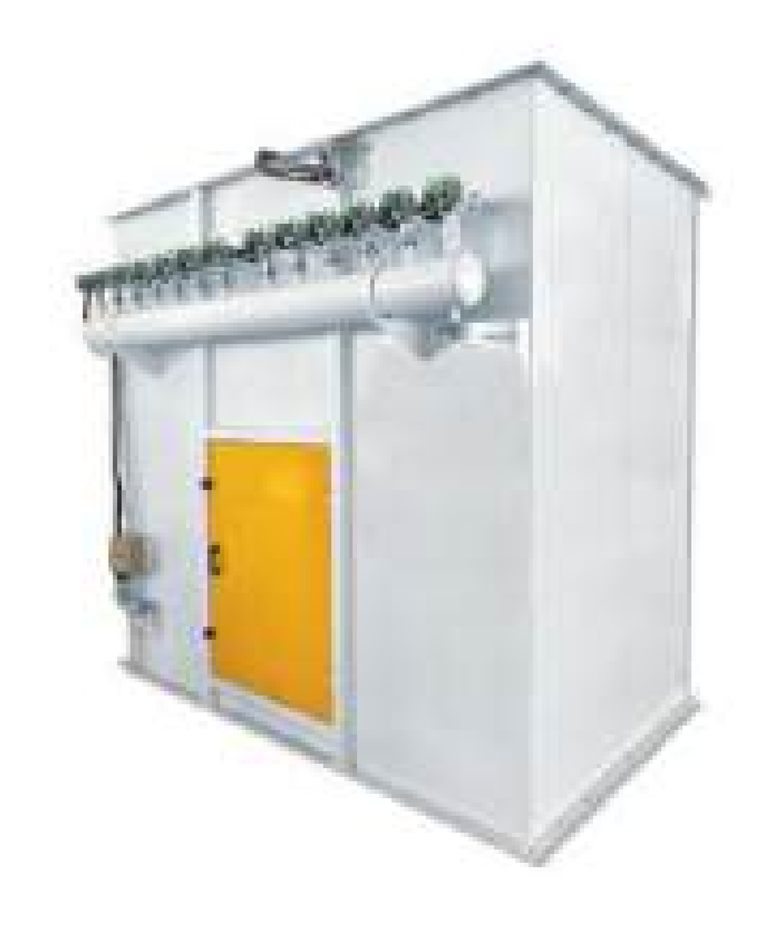
Pulse jet filters
TBLM, 17–117.5 m² filter area, air volume up to 33,000 m³/h.
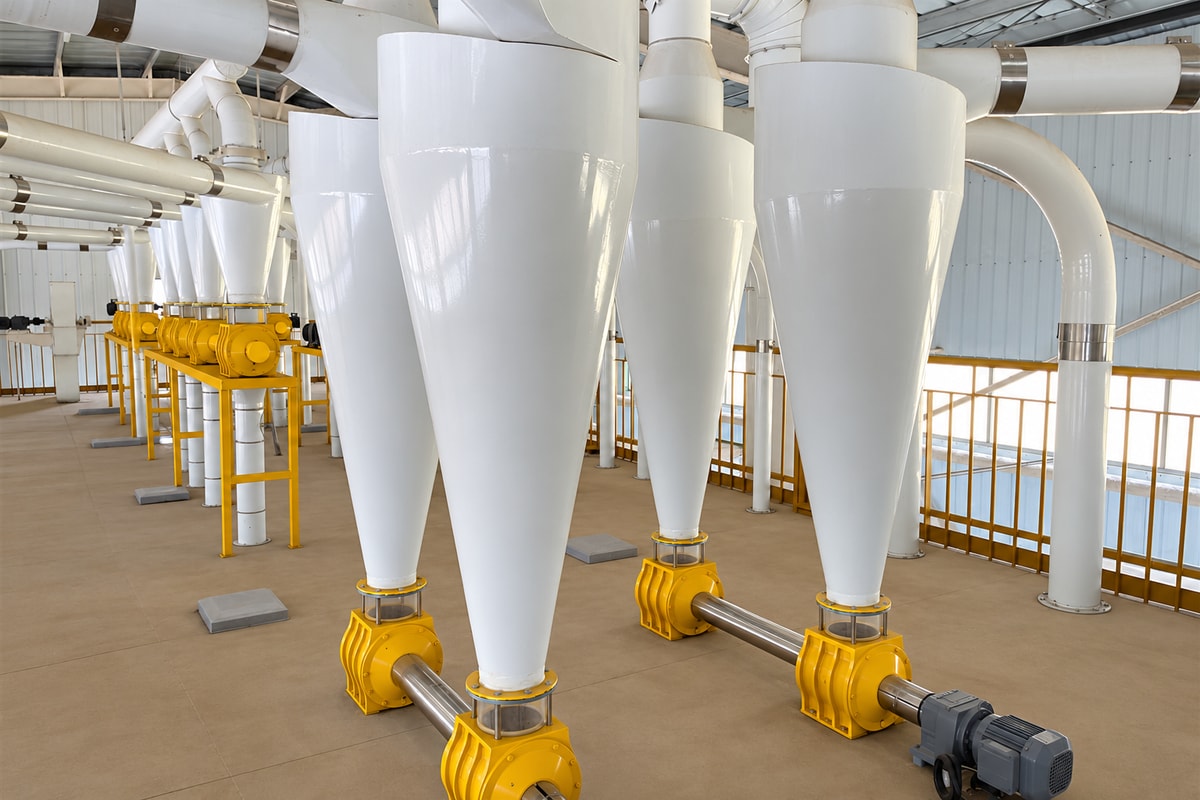
Cyclones, pipes & bends
Made to your pipe sizes. Wear-resistant bends where stock hits hardest.
Select the model by material, throughput and installation requirements.
What we need to check your pneumatic system
- Your flow sheet, or a list of the passages
- Nameplates of the fans you have now
- Pipe diameters and rough lengths
- Photos of cyclones, airlocks and filters
- The capacity you run now and the capacity you want
- Where new bins or loading points will be
No drawings? A walk-through video on WhatsApp is enough to start.
The mill keeps running until the day we connect
Every hour the mill stands still costs you flour. So most of the work happens before the shutdown, not during it.
Survey
Photos, video and any drawings you have. We list what to keep and what to replace.
Proposal
Layout fitted to your building, equipment list and an itemised quotation.
Shop drawings
You approve every interface: inlets, outlets, flanges, supports.
Pre-built
Pipes, supports and frames are made to size before shipping, so site work is short.
Connect
Our engineers guide the tie-in during your planned stop, then commission and train your team.
Put the first year of wear parts in the same case
Packing lines and air systems wear the same parts every year. Ship them with the new equipment and you won't wait for a second shipment when the first one runs out.
Add wear parts to my quote- Sewing needles, thread and cutter blades Packing line
- Conveyor belts and bag clamps Packing line
- Filter bags and solenoid valves Pulse filters
- Airlock rotor tips and seals Airlocks
- Wear-resistant bends Pneumatic lift
Questions mill owners ask about upgrades
Can new equipment work with machines from other makers?
Yes. Most mills run machines from several makers. We match flanges, inlets, outlets and supports to what you have, and you approve the drawings before we build.
How long will my mill have to stop?
It depends on the job. We plan the work so pipes and frames arrive ready to fit, and give you the planned shutdown time in the proposal.
I don't have drawings of my mill. Can you still help?
Yes. Start with photos and a walk-through video. We ask for measurements where they matter.
Is one packer or a few airlocks too small a job?
No. Replacing one machine is a normal order for us, and it is often where an upgrade starts.
What do I need on site?
Power to match the motors, and dry compressed air for packers and pulse filters. We list both in the proposal.
Tell us what you want to fix
A short description and a few photos are enough. We reply with what we would change and what we need to check.
WhatsApp us